News
News
古民家を住み継ぐための知恵や、季節のお知らせをお届けします。Notes on sustaining old houses, and seasonal updates from Iccha.
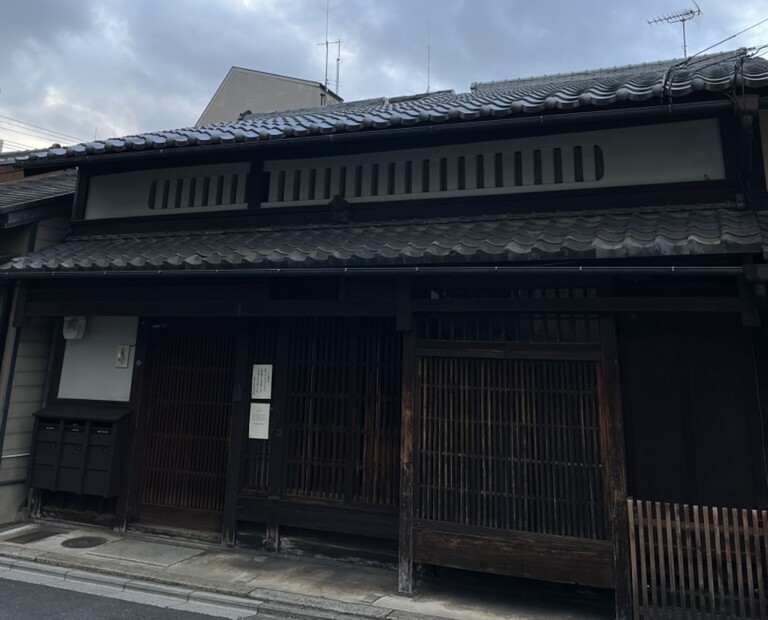
東山・清水エリアと京町家の魅力Higashiyama and Kiyomizu — the charm of Kyo-machiya on the slopes
石畳の坂、連なる低い軒、格子と瓦屋根の陰影。東山・清水エリアに町家が似合う理由と、暮らしや滞在を考えるときに歩いて確かめたい点をまとめました。Stone-paved slopes, low eaves in a row, the shadows of lattices and tiled roofs. Here is why machiya suit the Higashiyama and Kiyomizu area, and what to check on foot if you are thinking of living or staying there.
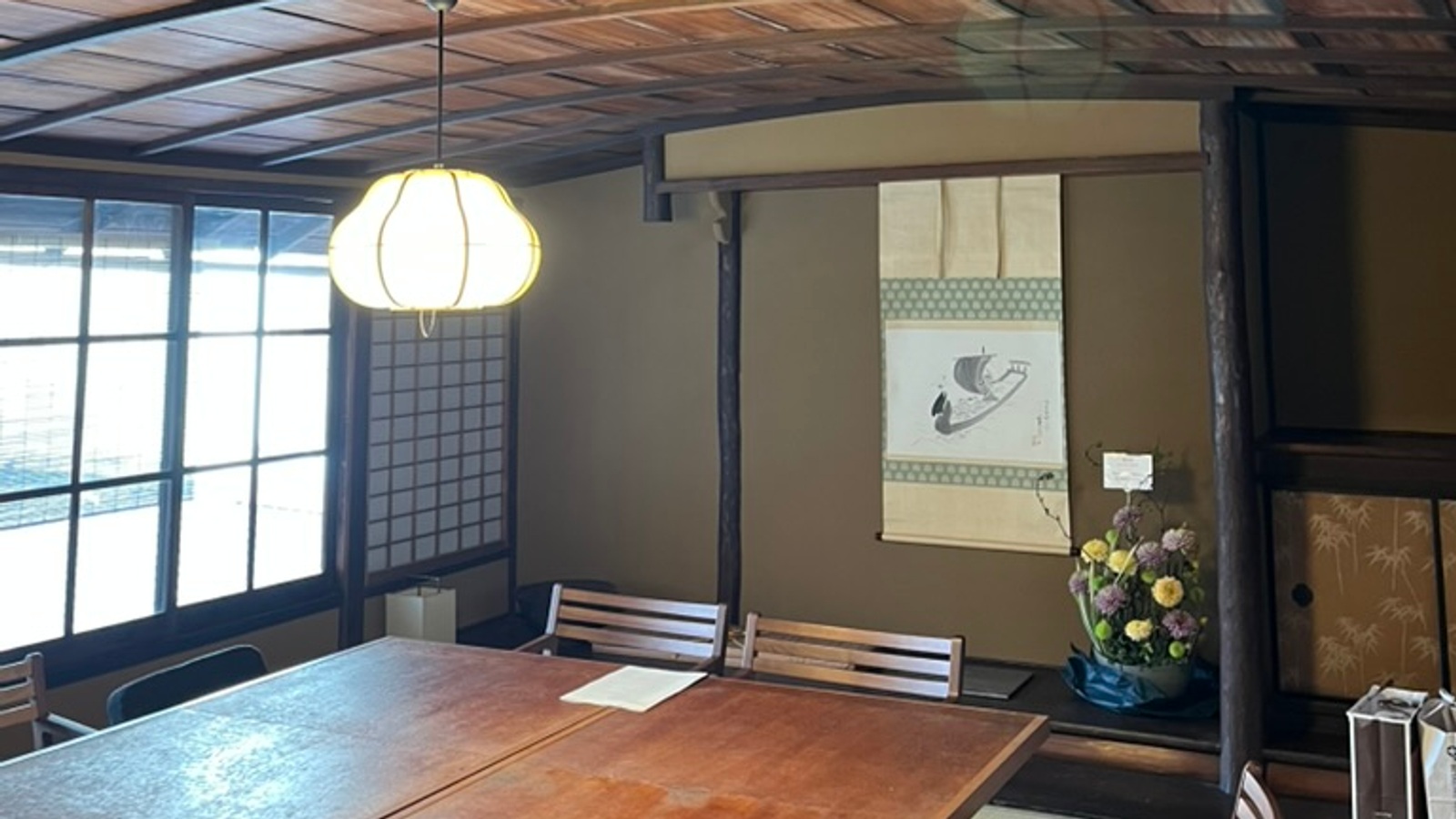
襖と障子——やわらかく仕切る日本の間仕切りFusuma and shoji — Japan's soft way of dividing a room
壁のように隔てず、光と気配だけはつなげたまま部屋を仕切る襖と障子。古民家に息づくこの引き戸の仕組みと、日々の付き合い方をまとめました。Rather than sealing a room off like a wall, fusuma and shoji divide it while still letting light and a sense of the next room pass through. Here is how these sliding fittings work in a kominka, and how to live with them.
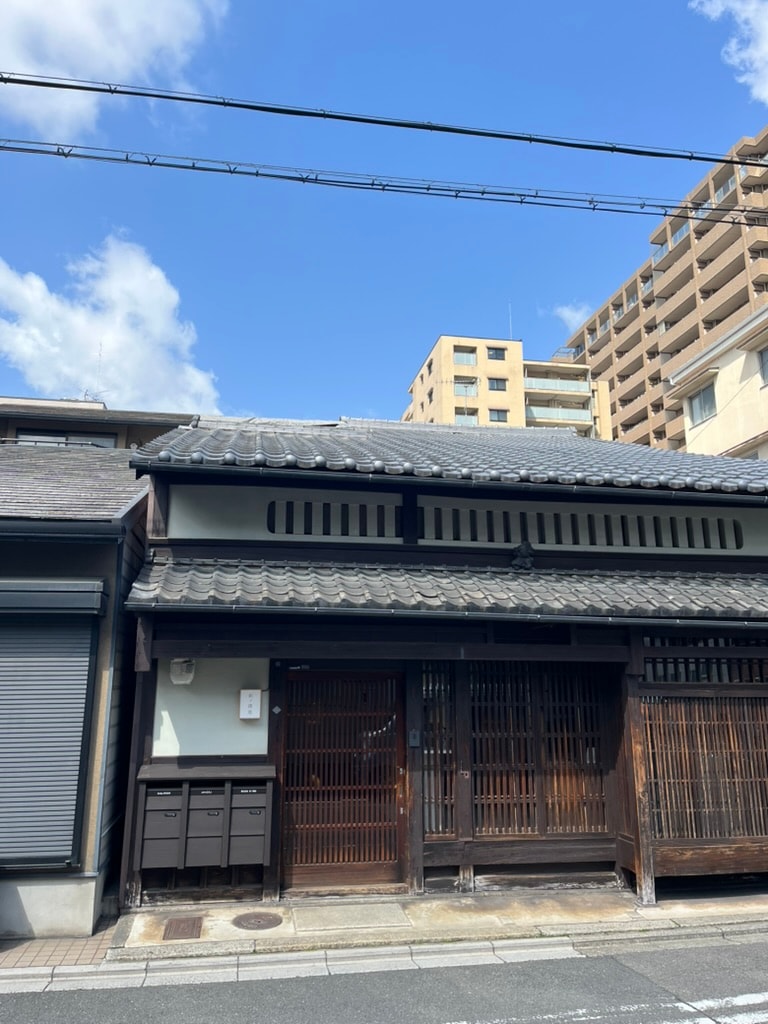
瓦屋根の構え——日本家屋の屋根を読むReading a kawara roof — the shape of a Japanese house's tiled eaves
銀鼠色の瓦が幾重にも重なり、軒先でわずかに反りあがる。京町家・古民家の瓦屋根には、雨と火から家を守ってきた知恵が積まれています。屋根を読むときの見どころをまとめました。Rows of silvery-grey tiles overlap and curve slightly upward at the eaves. A kyo-machiya or kominka's kawara roof carries generations of wisdom for keeping rain and fire at bay — here is how to read one.
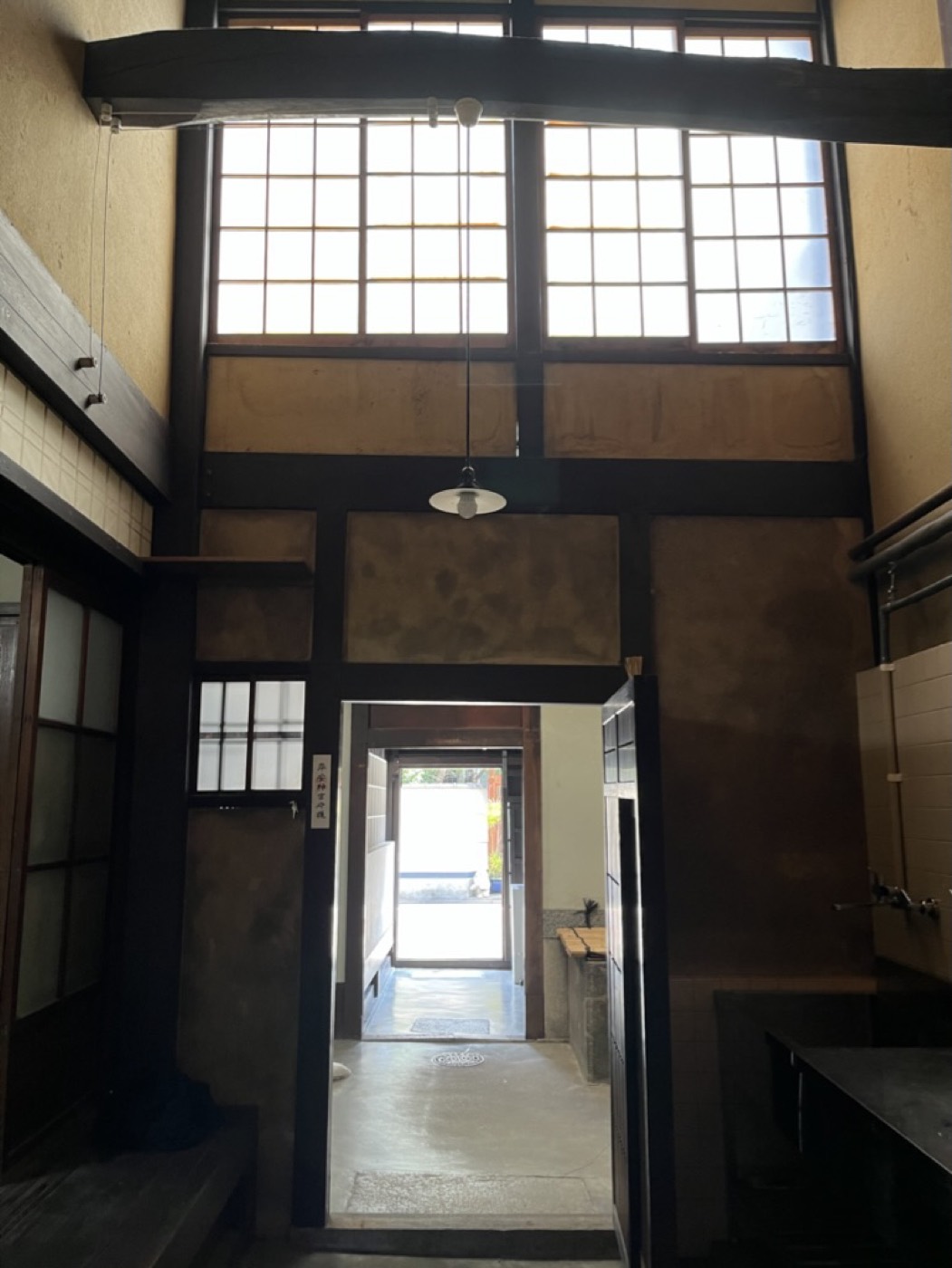
通り庭という動線——京町家を貫く土間Tōri-niwa — the earthen passage that runs through a Kyo-machiya
格子戸を入ると、奥へまっすぐ続く土間。京町家の通り庭は、家を貫く動線であり、風の通り道でもあります。その仕組みと、いま見るときの確かめどころをまとめました。Step through the lattice door and an earthen floor runs straight to the back of the house. A machiya's tōri-niwa is both a passage and a path for air — here is how it works, and what to check when you visit one.
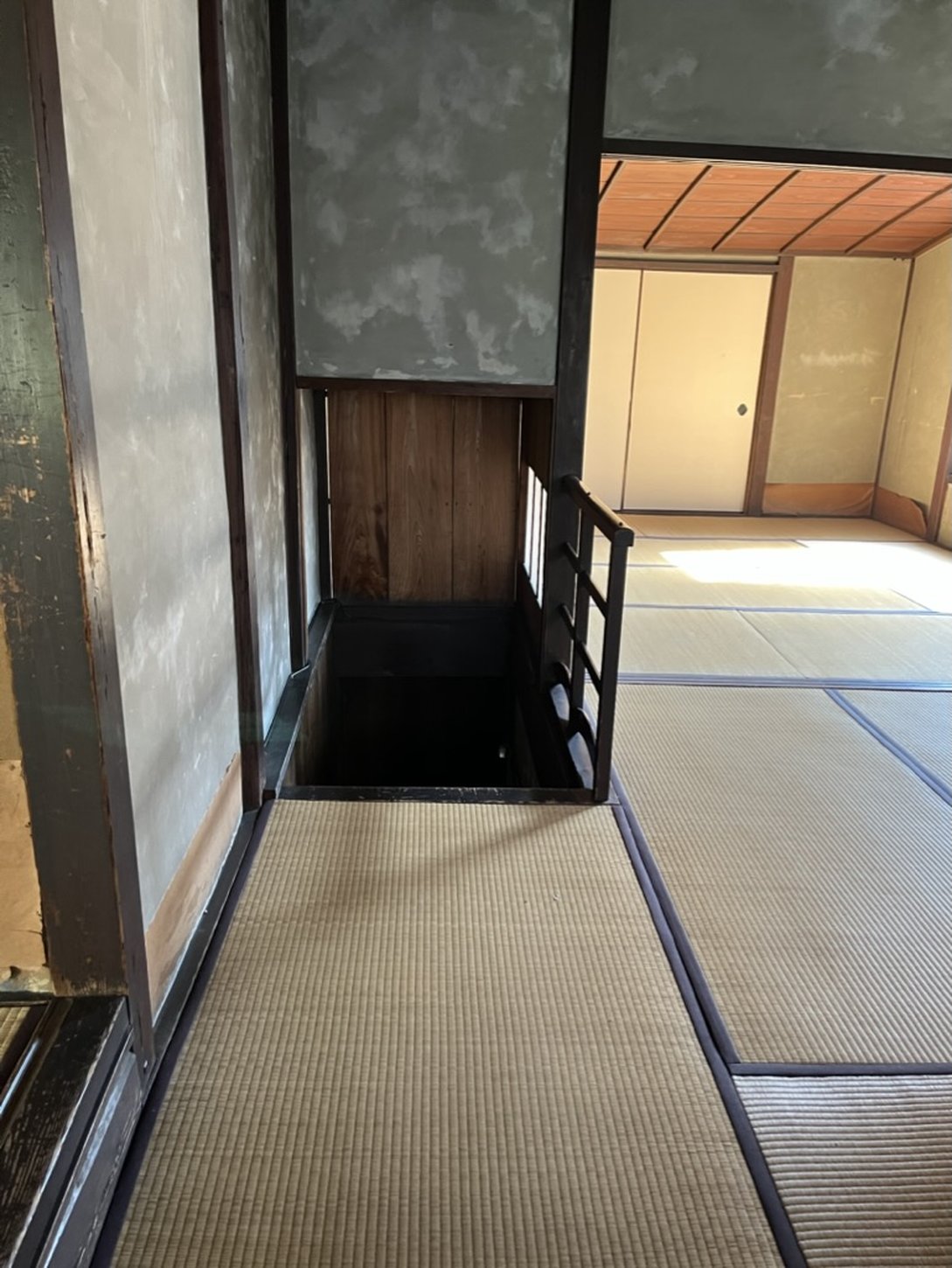
続き間の座敷——古民家の畳空間の使い方Tsugi-no-ma — how a kominka's connected tatami rooms get used
襖を外せば、二間が大きな一間になる。古民家の続き間は、決まった用途を持たない可変の畳空間です。その仕組みと、現代の暮らしでの使いこなし方をまとめました。Slide out the fusuma and two rooms become one. A kominka's tsugi-no-ma is tatami space built without a fixed purpose — here is how it works, and how to make it work for you today.
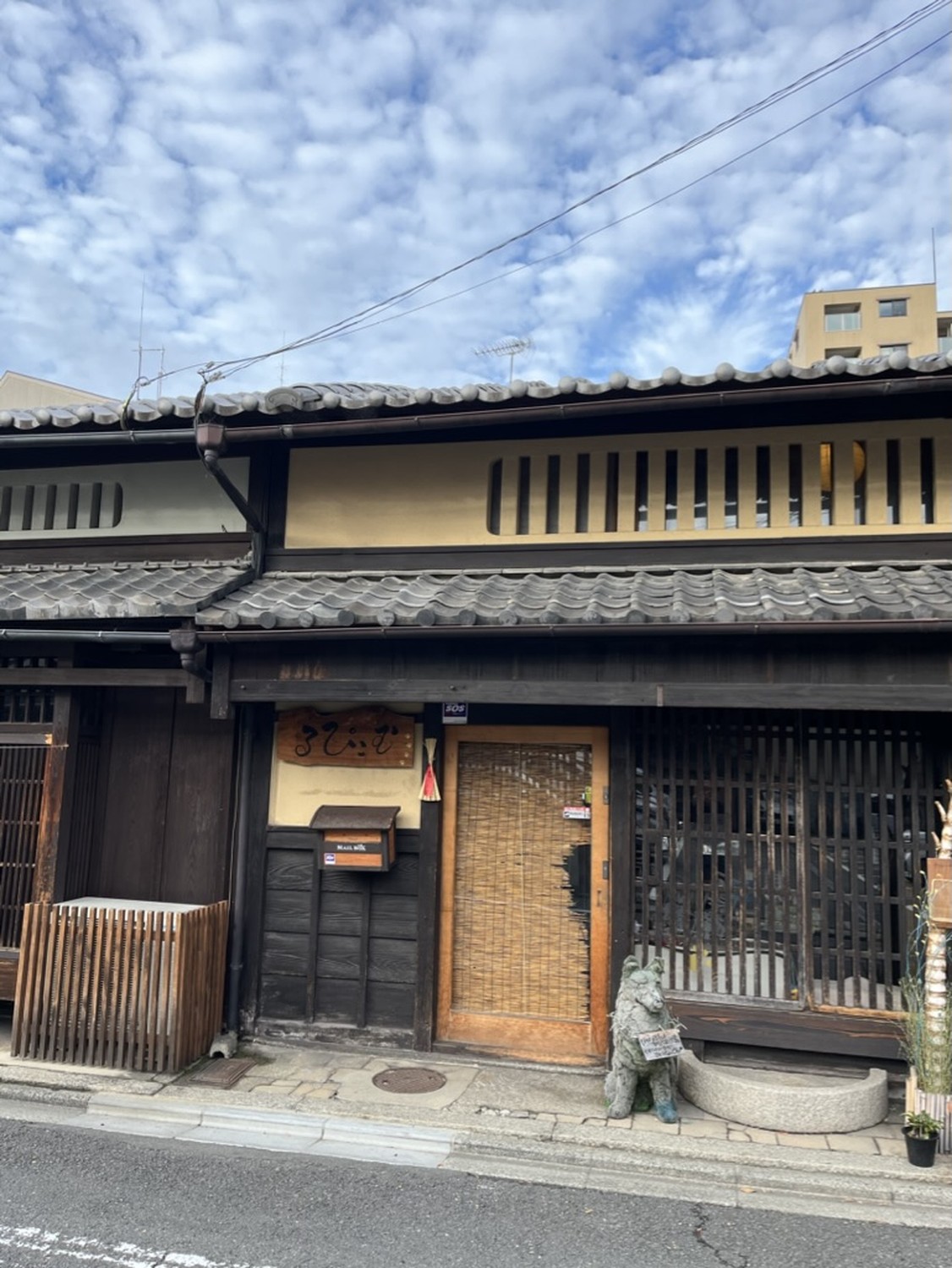
京町家・古民家の賃貸を探すときに見るべき点What to look for when renting a Kyo-machiya or an old Japanese house
数が少なく、一軒ごとに事情の違う京町家・古民家の賃貸。内見でどこを見て、契約前に何を確かめておくとよいのか、探し方の順序を整理しました。Machiya and kominka rentals are few, and no two are alike. Here is how to order your search — what to look at during a viewing, and what to settle before you sign.
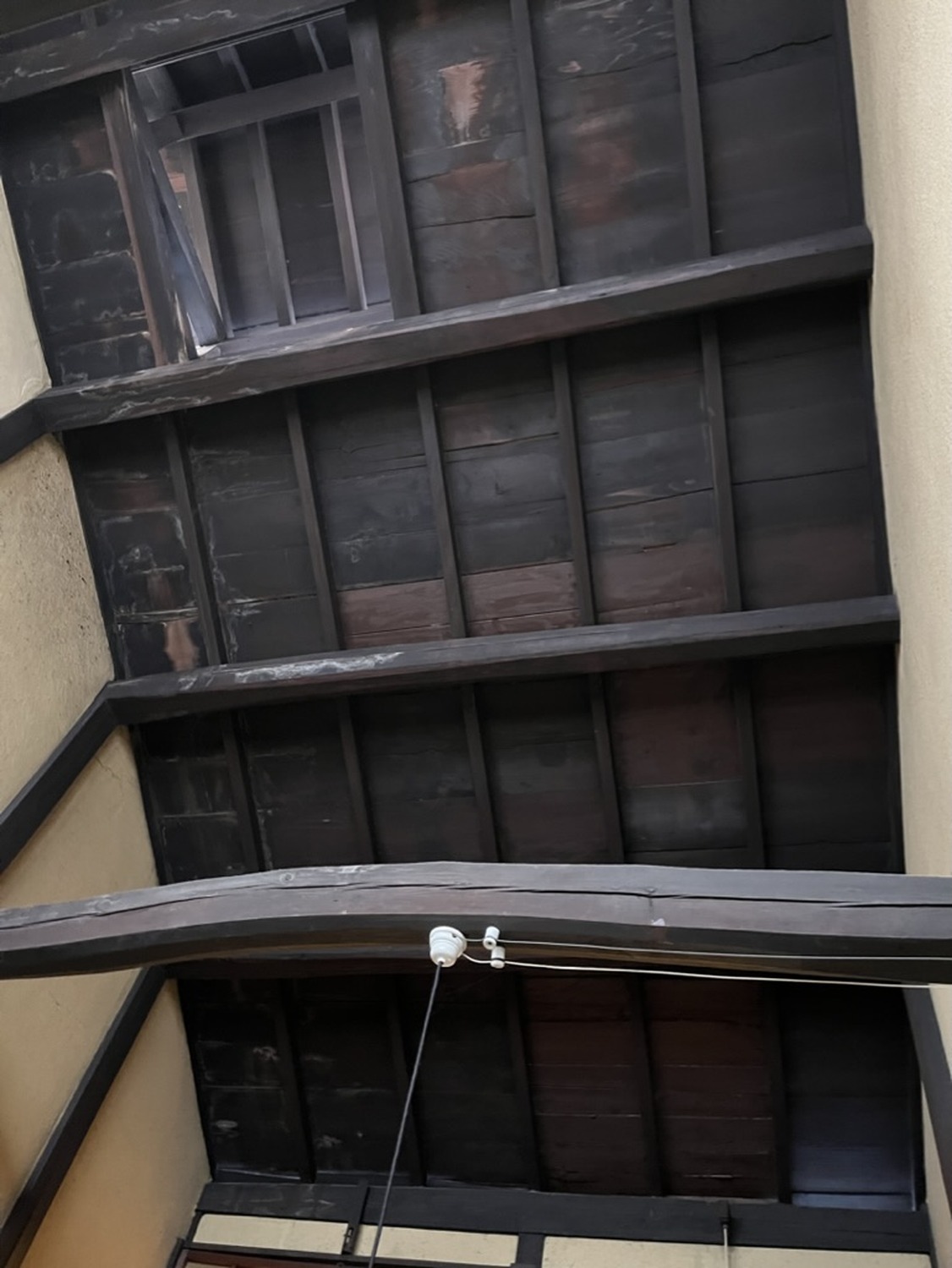
太い梁と木組み——百年もつ家のかたちHeavy beams and timber joinery — the shape of a house that lasts a century
見上げれば、曲がったままの丸太が架かっている。古民家の梁と木組みは、なぜ百年を超えて家を支えられるのか。内見のときの目のつけどころとあわせてまとめました。Look up, and a log still bearing its own curve spans the room. Why can a kominka's beams and joinery hold a house up past a hundred years — and what to look for when you view one.
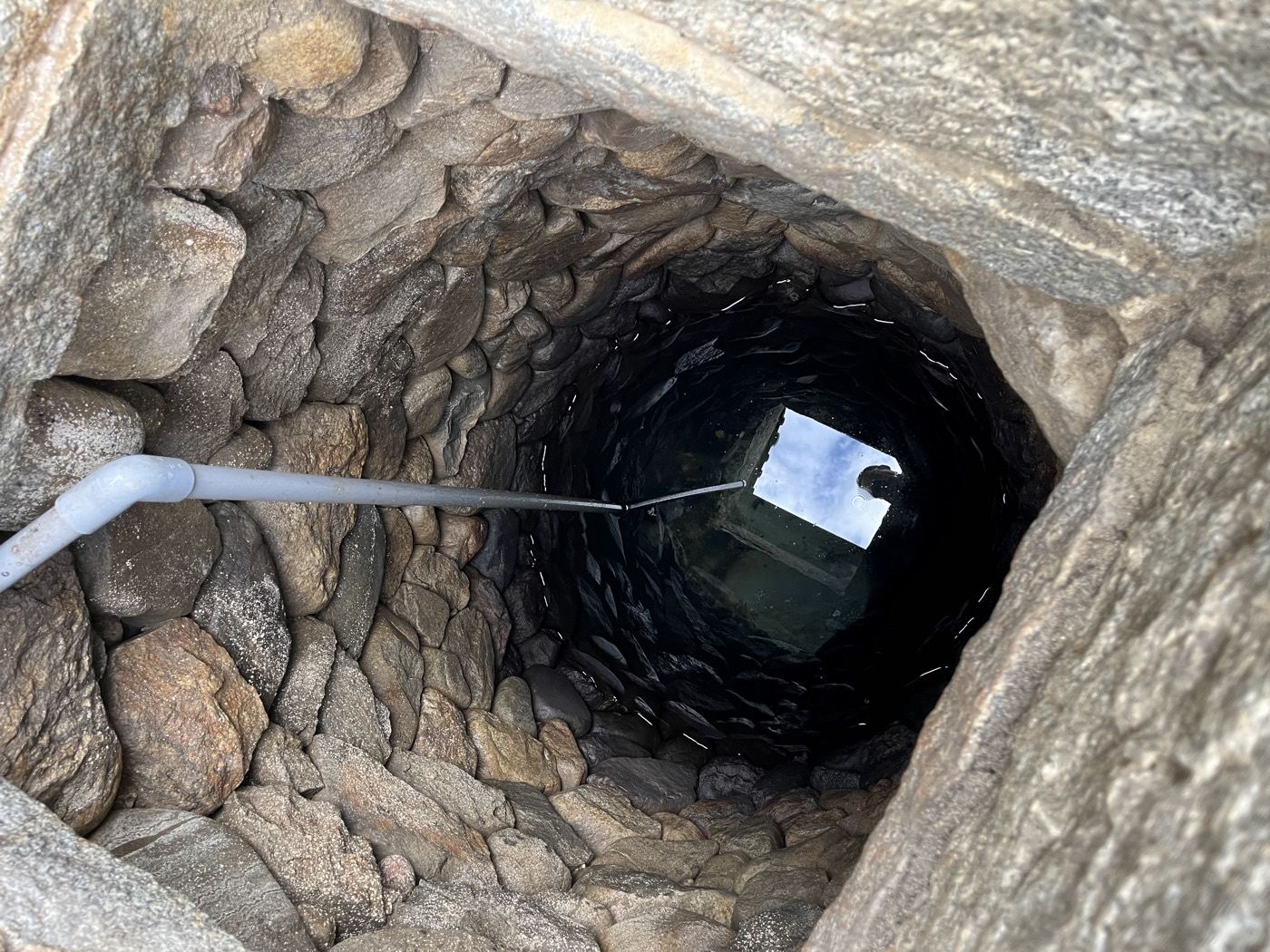
伊賀で古民家暮らし——田舎に住むということA kominka life in Iga — what it means to live in the countryside
伊賀の古民家には、いまも石積みの井戸が残っています。井戸水とはどんな水で、暮らしにどう使えるのか——田舎の家を見るときに知っておきたいことを、やさしくまとめました。At an old house in Iga, a stone-lined well still remains. What kind of water does a well give, and how can you use it day to day — a plain guide to what is worth knowing when you look at a house in the countryside.
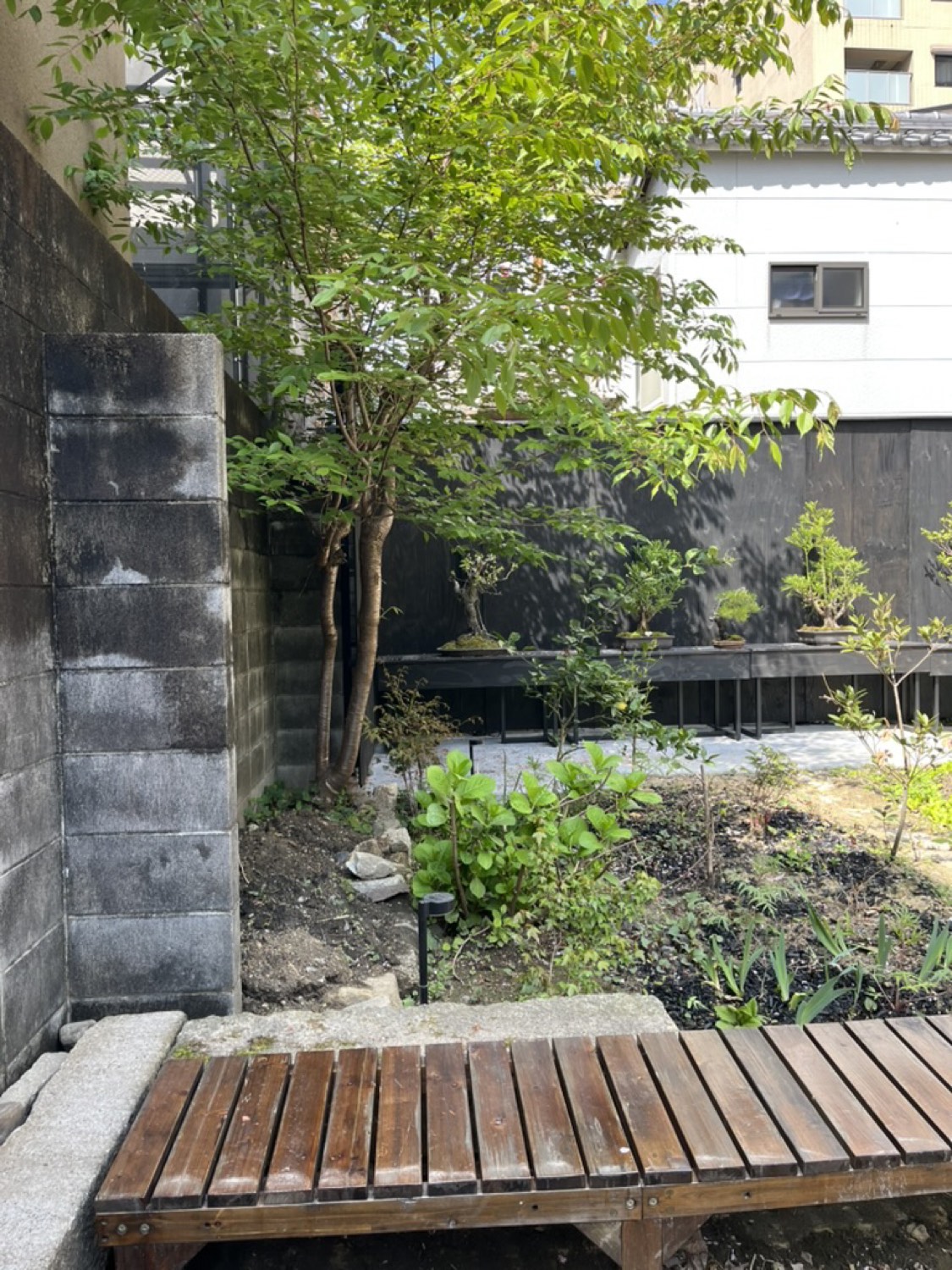
坪庭がはこぶ光と風——京町家の小さな庭The light and breeze a tsuboniwa carries — the small garden of a Kyo-machiya
奥へ細長い京町家の、真ん中にぽつんと開いた小さな庭。坪庭は眺めるためだけの庭ではなく、家の奥まで光と風を届けるための仕掛けです。A small garden opening quietly in the middle of a long, narrow Kyo-machiya. A tsuboniwa is not there only to be looked at — it is a device for carrying light and breeze deep into the house.
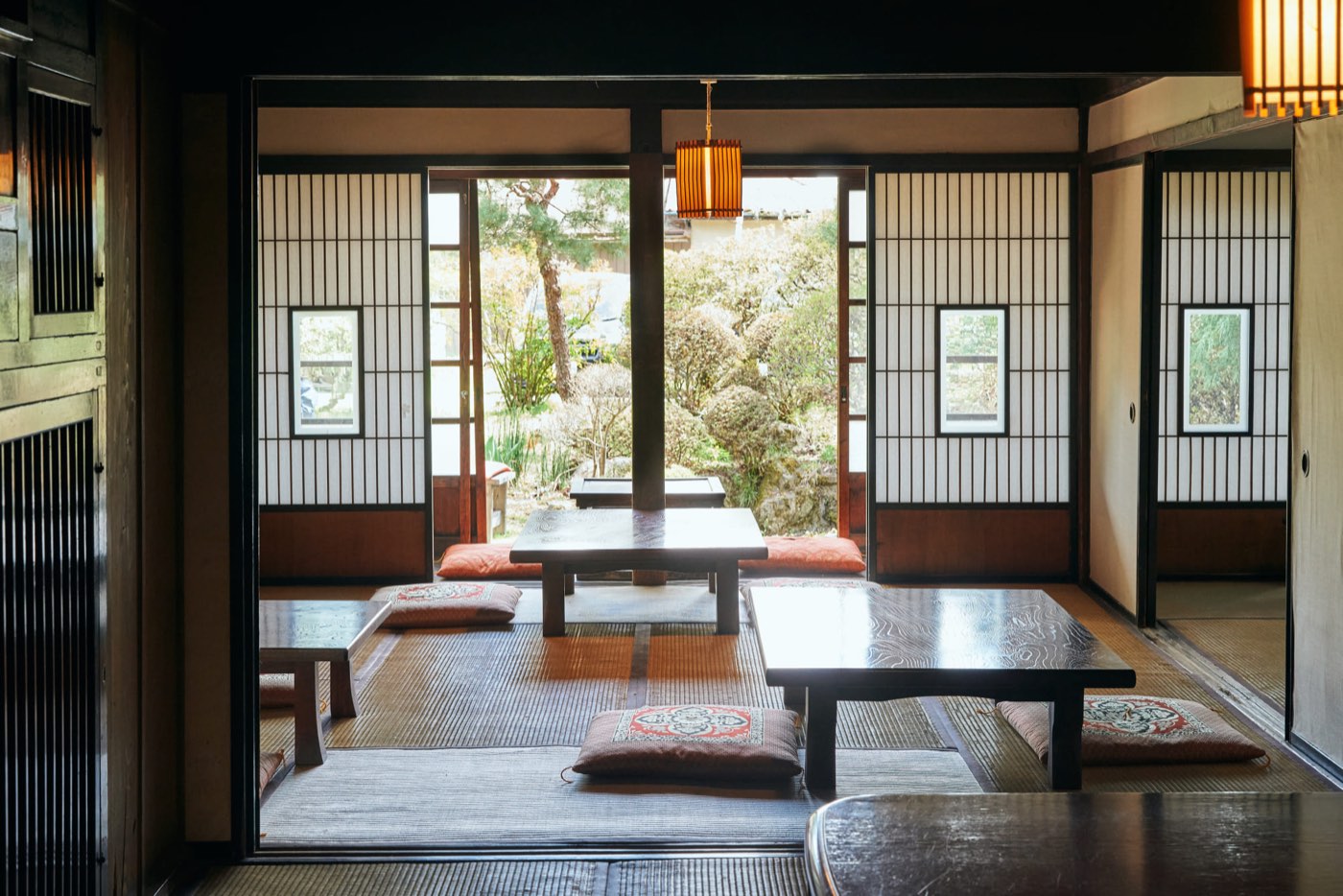
土壁の家に住む——古民家の調湿と手入れの知恵Living in a house of earthen walls — a kominka's breathing and its care
湿気を吸い、乾けば放つ。古民家の土壁は、季節とともに呼吸する壁です。その仕組みと、長くつきあうための手入れの知恵をまとめました。It drinks moisture in, and gives it back when the air dries. A kominka's earthen wall is a wall that breathes with the seasons — here is how it works, and how to care for it over the long run.
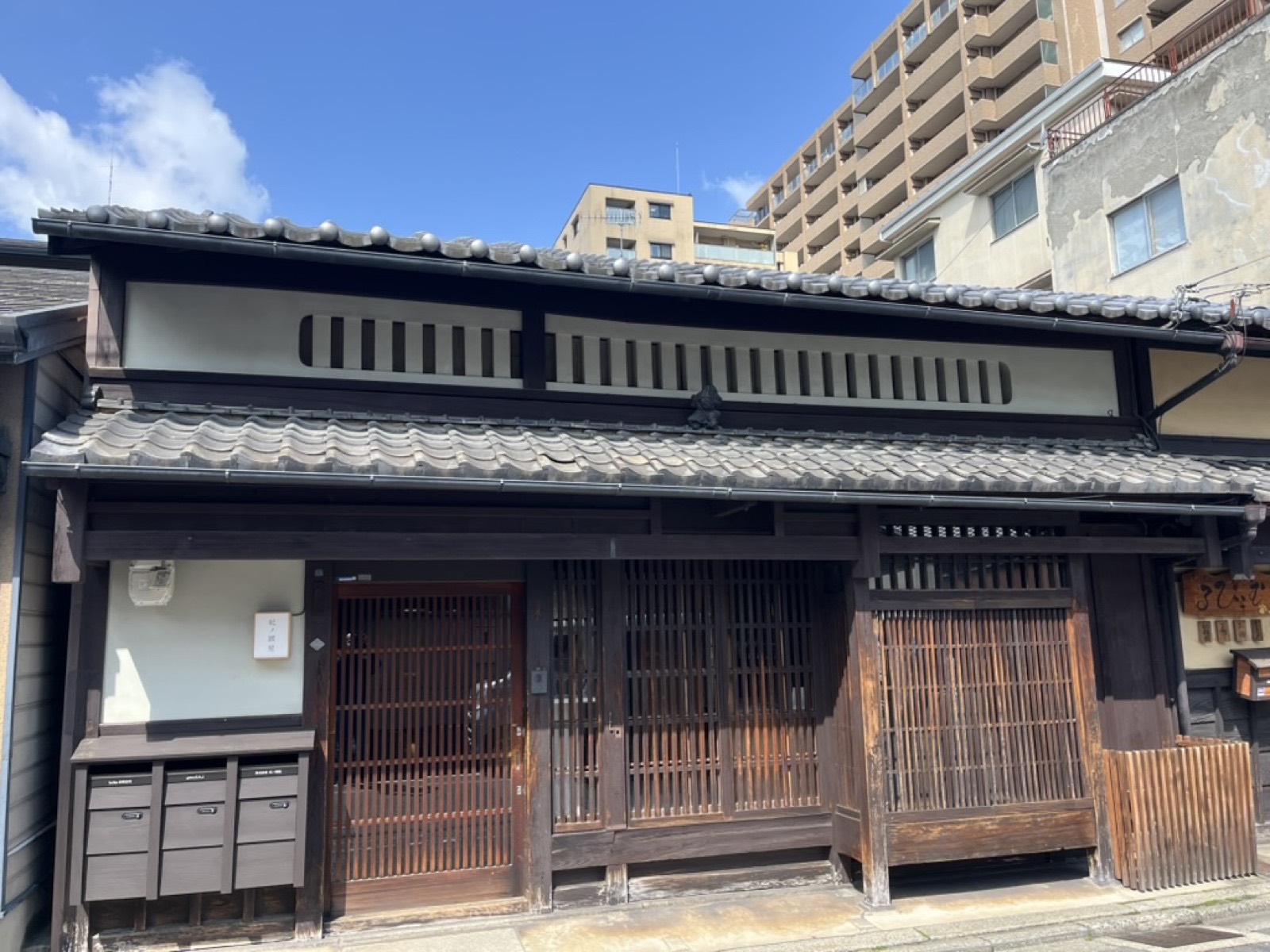
出格子と虫籠窓——京町家の表構えを読むDeguoshi and mushiko windows — reading a machiya's street face
通りに面した格子と、二階の虫籠窓。京町家の表構えには、暮らしと通りの間合いをはかる知恵が積み重なっています。The timber lattice facing the street and the mushiko windows above — a Kyo-machiya's street face carries the accumulated wisdom of gauging distance between home and road.
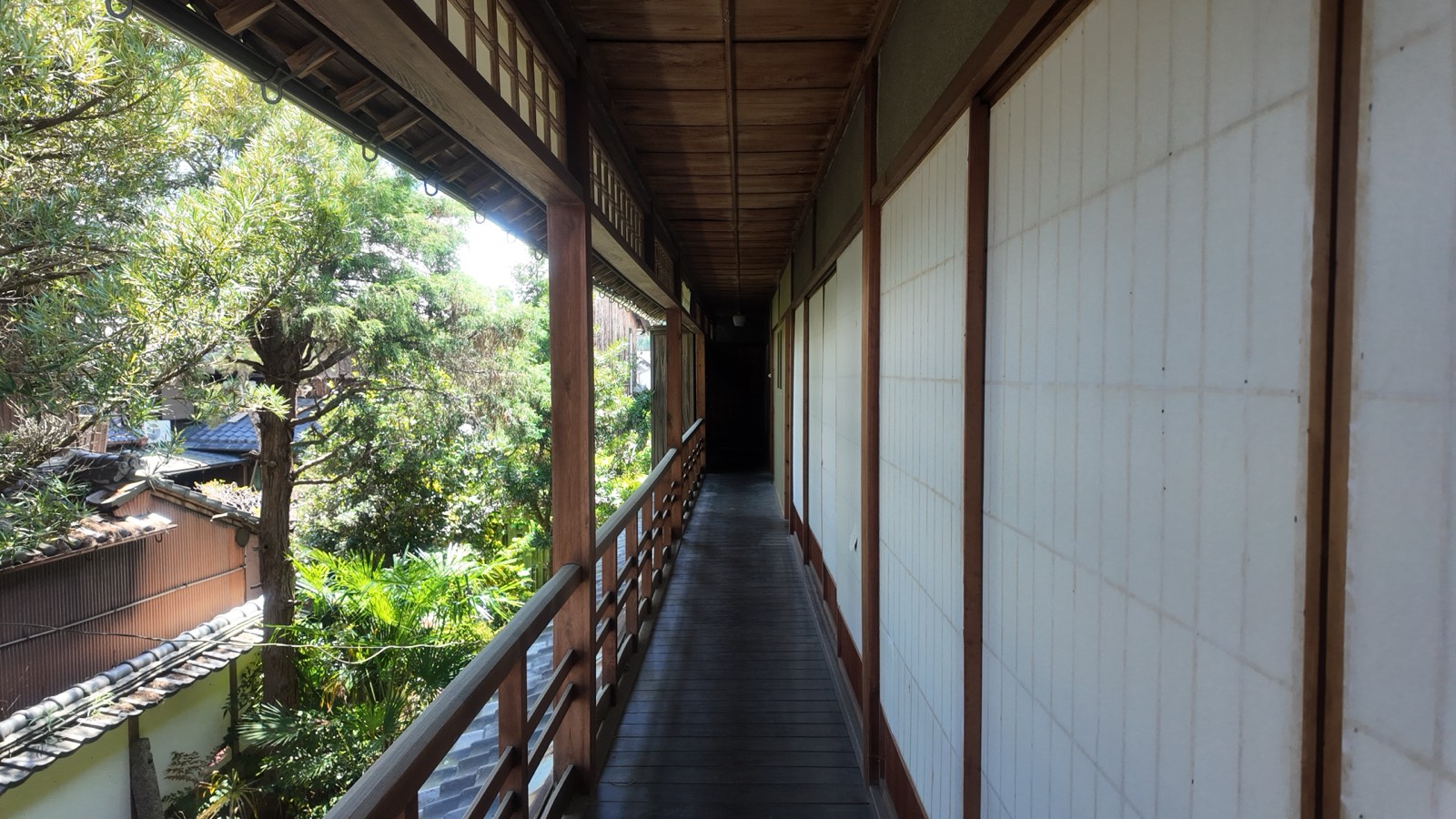
縁側のある暮らし——古民家の「あいだ」の空間Living with an engawa — the kominka's "in-between" space
内でも外でもない縁側は、古民家の暮らしをやわらかくつなぐ場所。光と風、人と庭の「あいだ」を楽しむ知恵をご紹介します。Neither inside nor out, the engawa gently ties kominka life together — a look at enjoying the "in-between" of light, breeze, people, and garden.
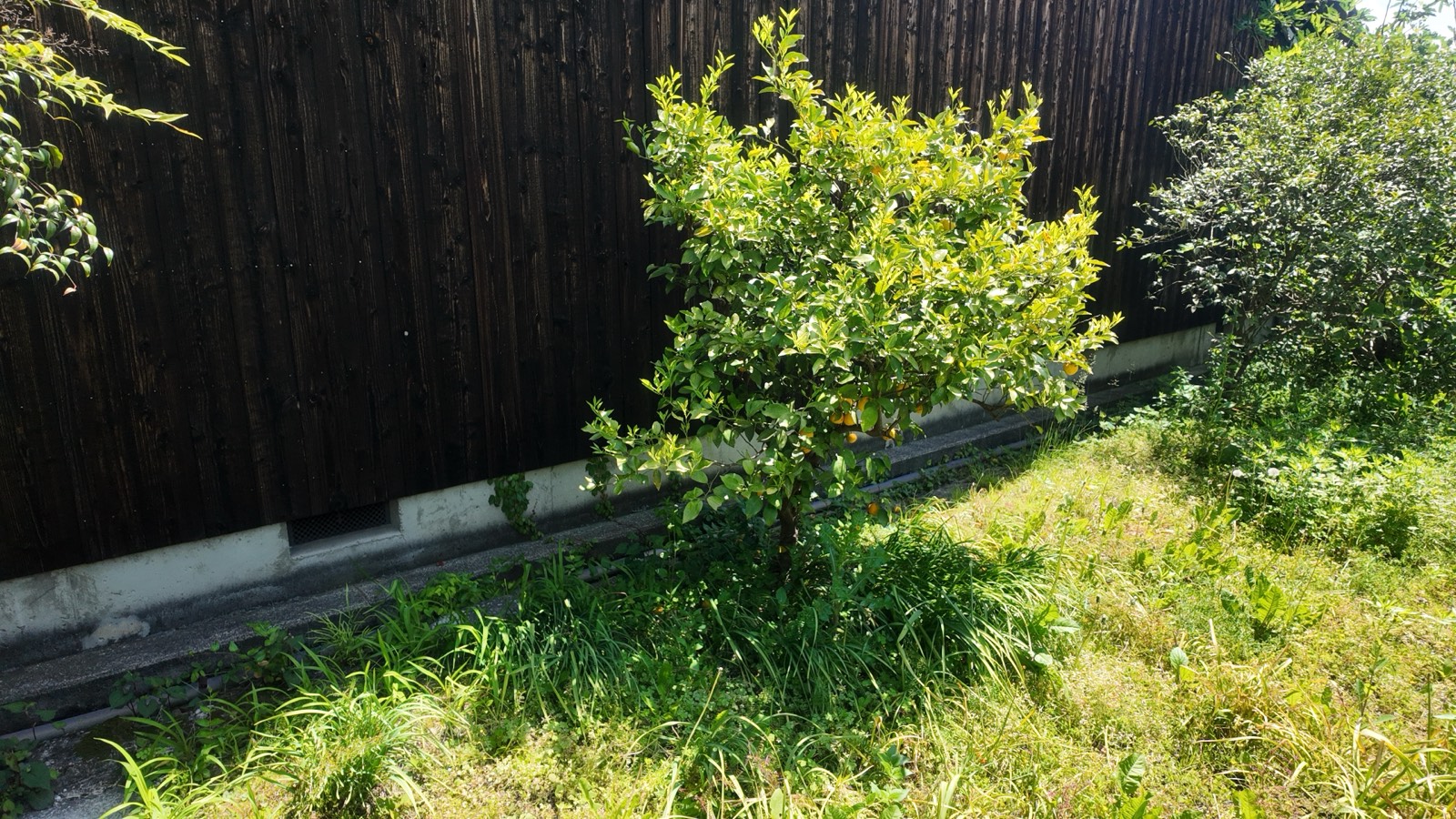
庭に実る——伊賀の古民家と、季節が届く暮らしA garden that bears fruit — seasons within reach at our Iga kominka
縁側の先に橙や柚子が実り、初夏には白い花が咲く。伊賀の古民家には、季節が手の届くところにあります。Daidai and yuzu ripen beyond the engawa, white blossoms open in early summer. At our Iga kominka, the seasons are within arm's reach.
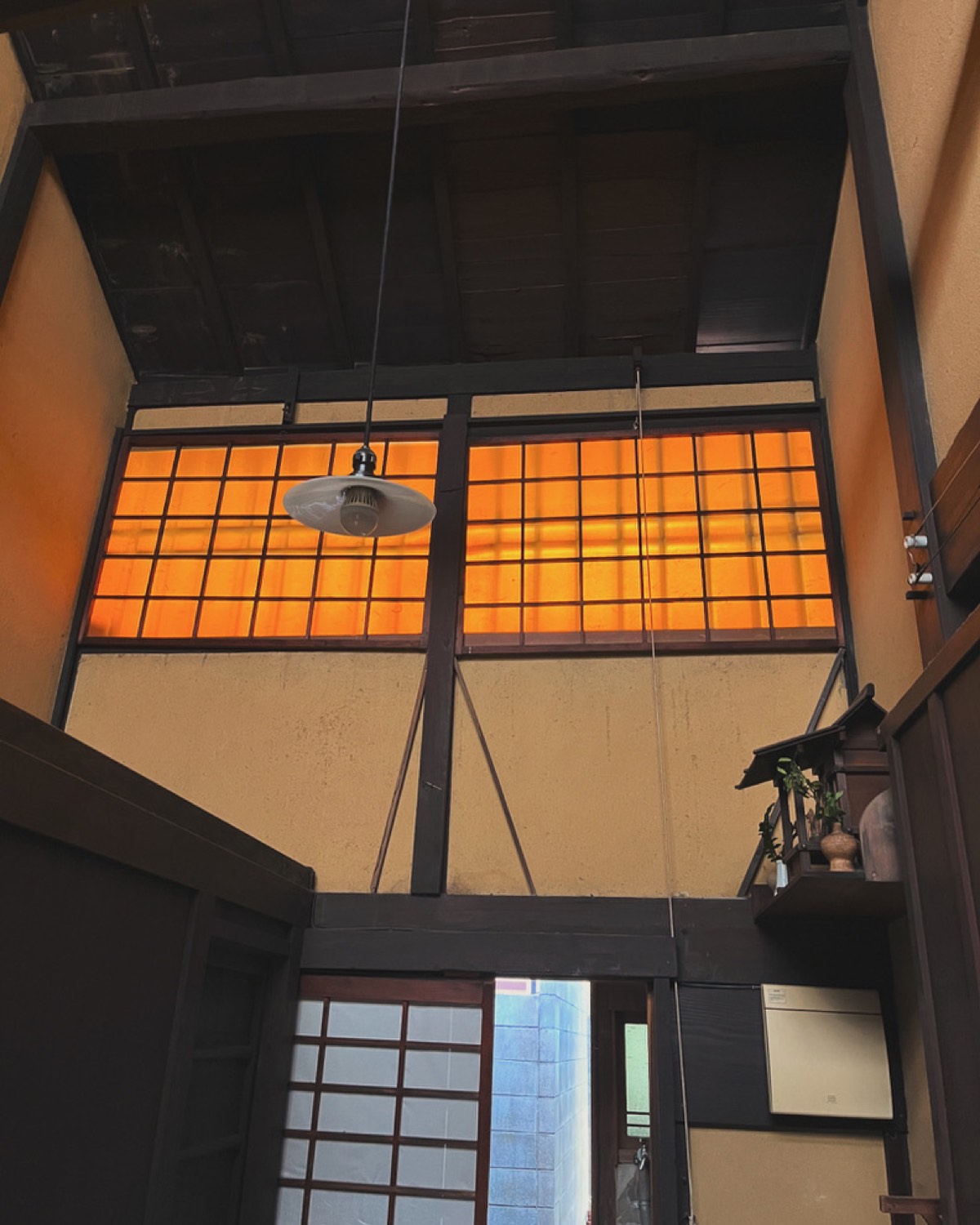
火袋を見上げる——京町家の台所と光Looking up into the hibukuro — light and the machiya kitchen
京町家の台所の上には、天井を抜いた「火袋」が広がります。煙を逃がし、光を呼び込む、昔の知恵のかたち。Above a machiya's kitchen opens the "hibukuro," a ceiling left unbuilt — old wisdom that vents smoke and draws in light.
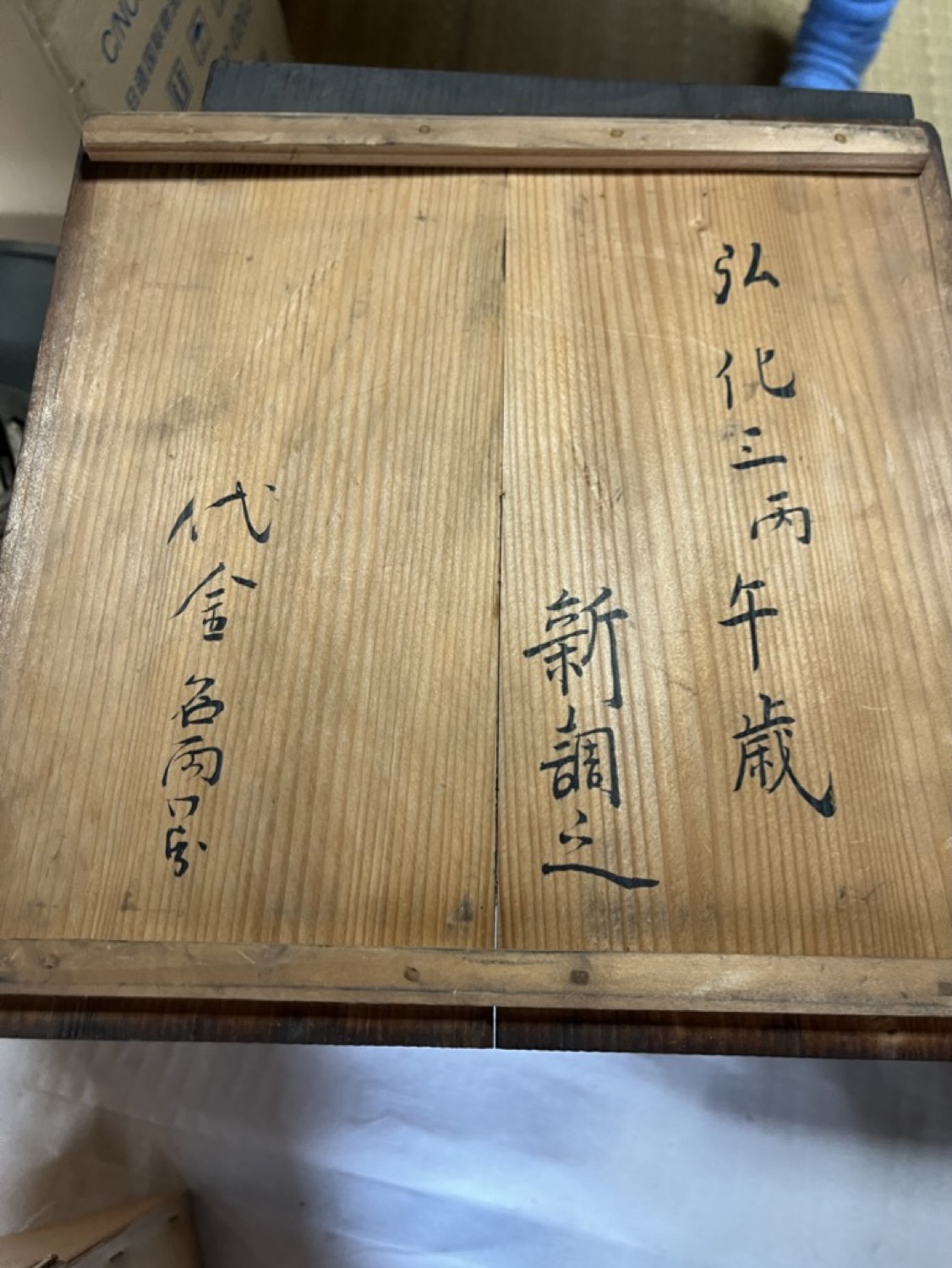
弘化三年の墨書——家に残された時間An inscription from 1846 — the time a house keeps
「弘化三丙午歳 新調之」。松下町の家には、百八十年ほど前の墨書や藍染の野良着が、当たり前のように残っていました。"Koka 3, made anew." In the Matsushita house, an inscription from some 180 years ago and indigo work clothes remained, as if it were nothing.
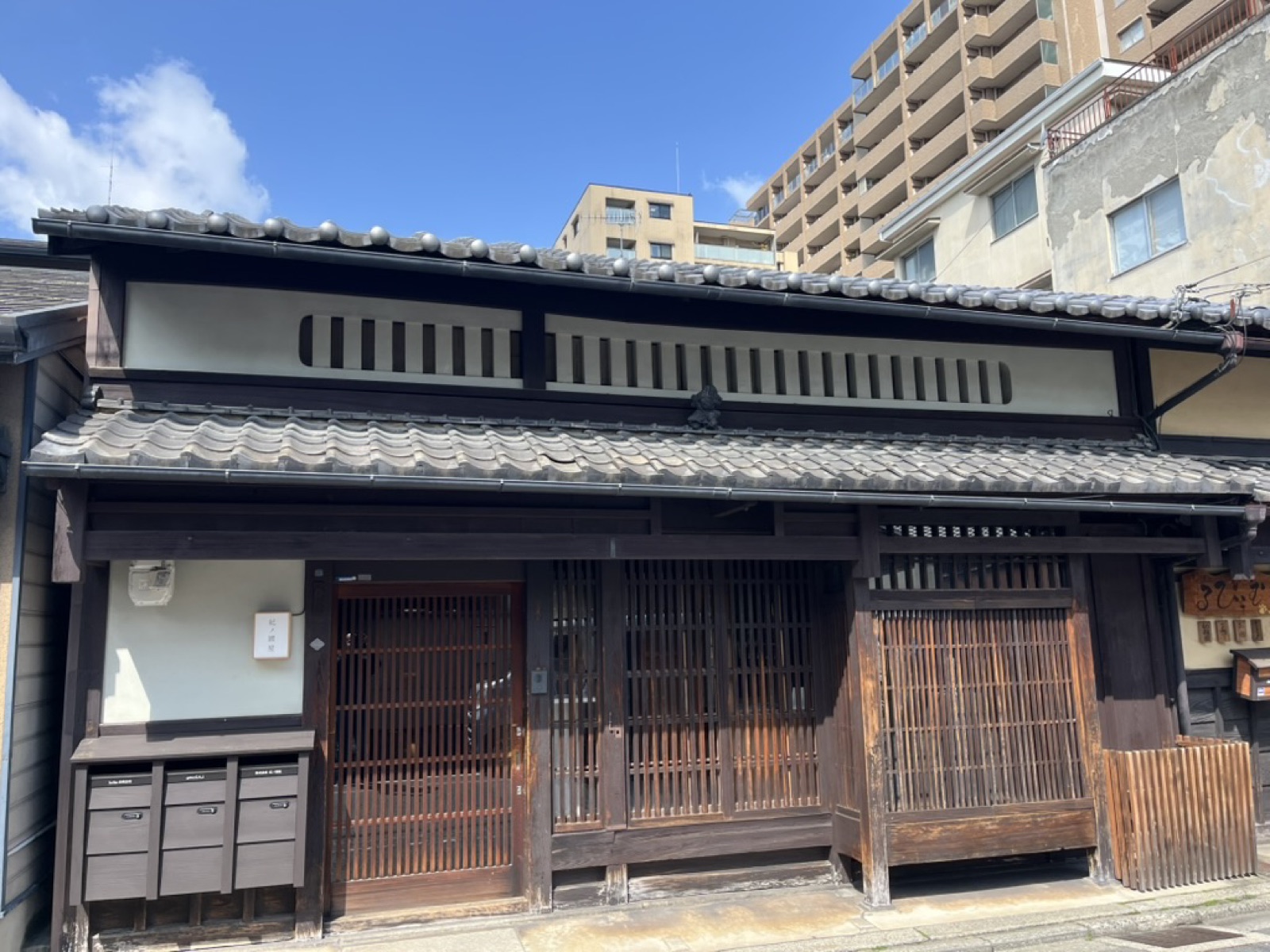
Icchaの京町家——松下町の住まいからIccha's own Kyo-machiya — from our house in Matsushita
私たちが実際に使い続けている京町家をご紹介します。虫籠窓と格子の続く、京都の町家らしい一棟です。A look at the Kyo-machiya we keep in active use ourselves — a classic town house of mushiko windows and timber lattice.
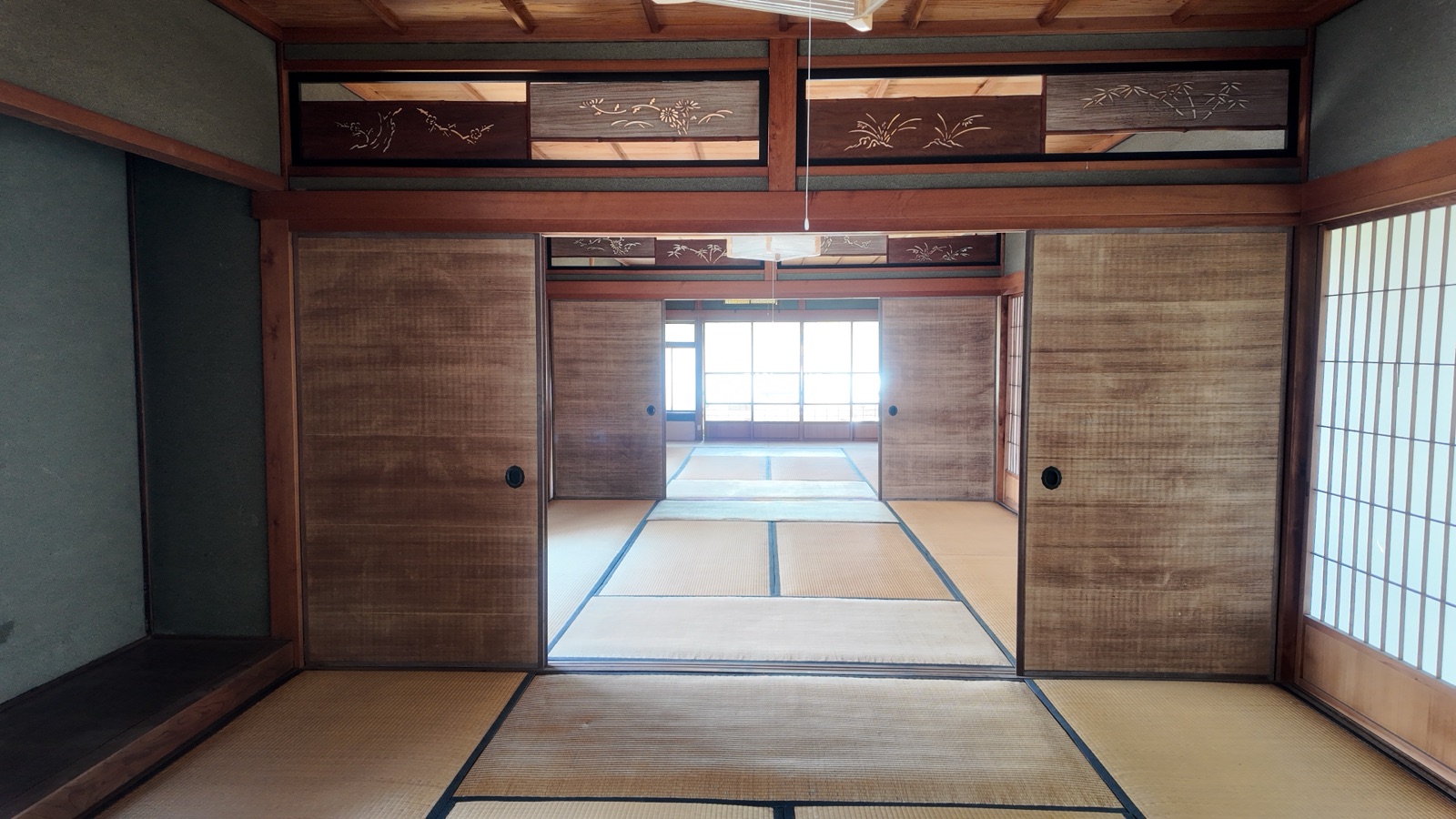
春の新着物件のお知らせNew properties this spring
三重県伊賀市阿保の古民家(昭和元年以前築・8DK)をご紹介中です。即時入居が可能です。Now introducing a kominka (8DK) built in or before 1926 in Abo, Iga — vacant and available immediately.
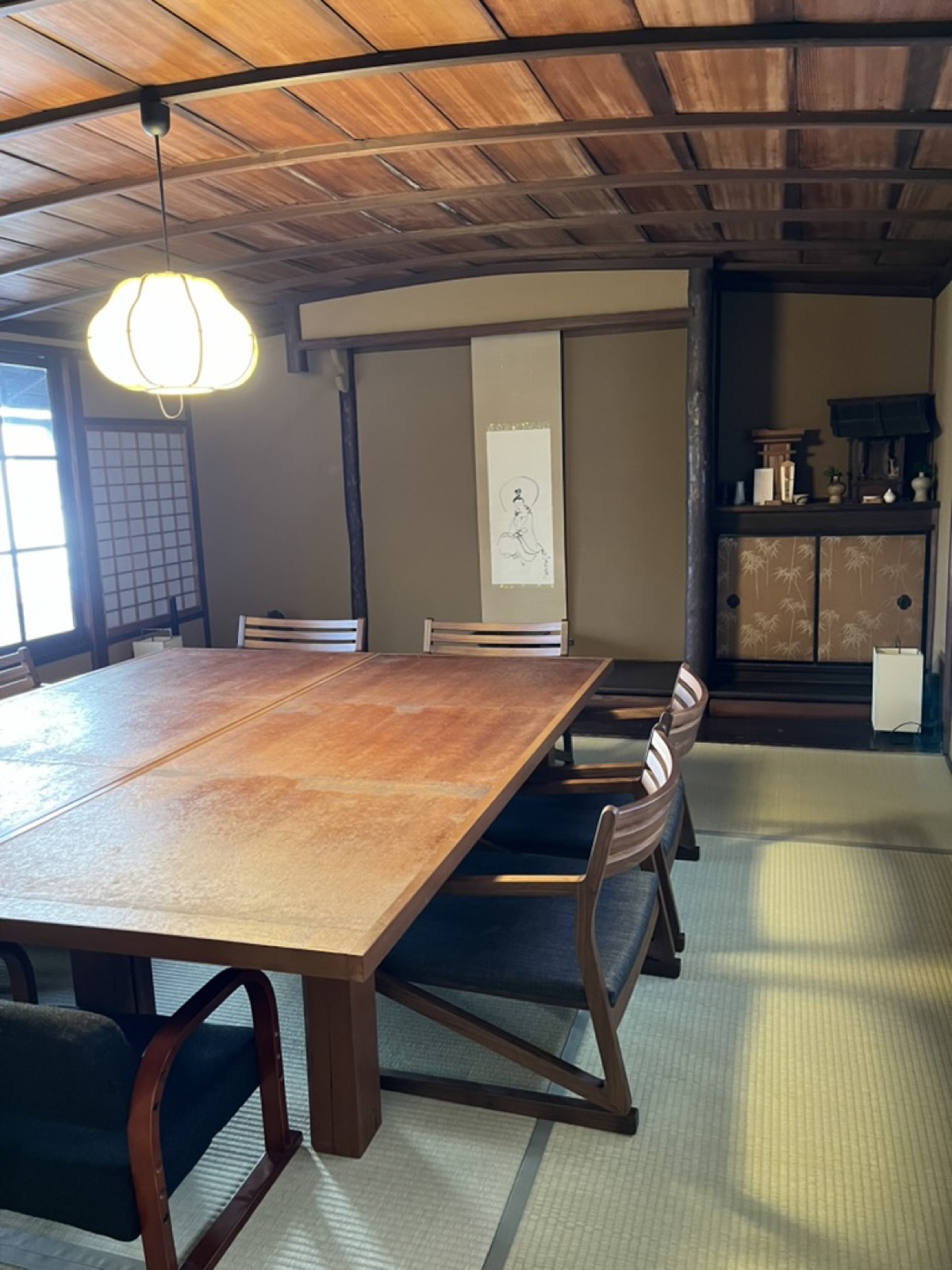
冬の古民家、寒さとのつきあい方Living warm in a kominka through winter
土壁と木の家を、暖かく心地よく過ごすための小さな工夫をまとめました。Small ways to stay warm and comfortable in a house of earth and wood.
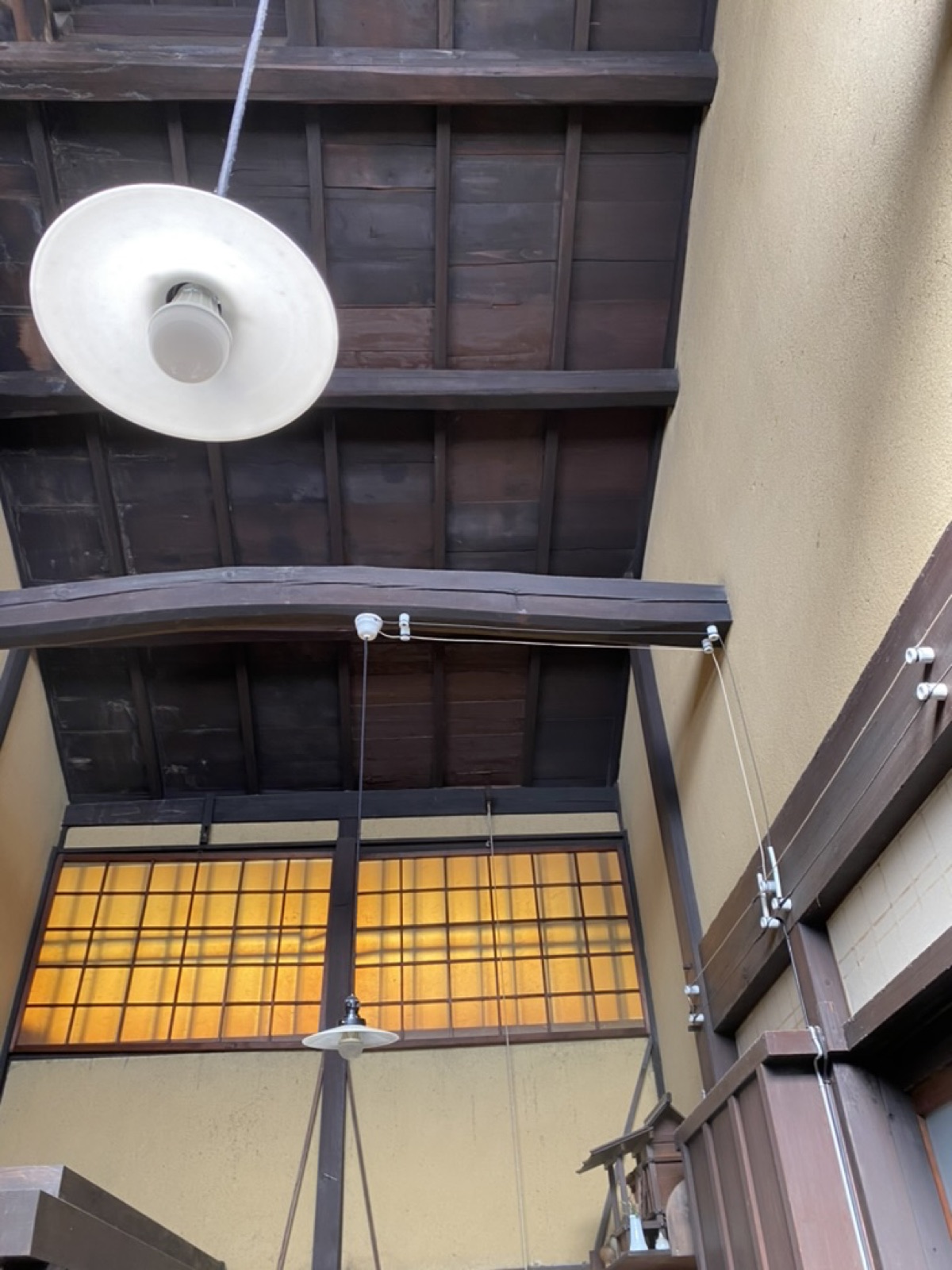
なぜ古い家は長くもつのかWhy old houses last
百年を超えて建つ家には理由があります。木組みと手入れの話。There are reasons a house can stand past a century — on joinery and care.